8 best location-based mobile games of 2026
If you live somewhere with a Pokémon GO landmark on every other corner, Pokémon GO is still the location-based game to play, and no other phone game has as many people out walking with it. Down a country road, the picture changes: games that tie play to landmarks go quiet, while the ones that count your steps or fill whatever streets surround you keep working. Where you live decides more than which monster you’d rather chase.
The eight games below use your movement in different ways. Most are free map games that show the world around you as a game board, with something to catch, fight, or collect as you walk. Geocaching is a hobby with an app, where you hunt for containers other people hid. Zombies, Run! is an audio story for runs and walks that doesn’t care where you go. Each is free to download on iPhone and Android, and prices are as of November 2026.
The games
Pokémon GO
Best overall if you live in a town
#1 4.4/5
 (opens full size in a new tab)
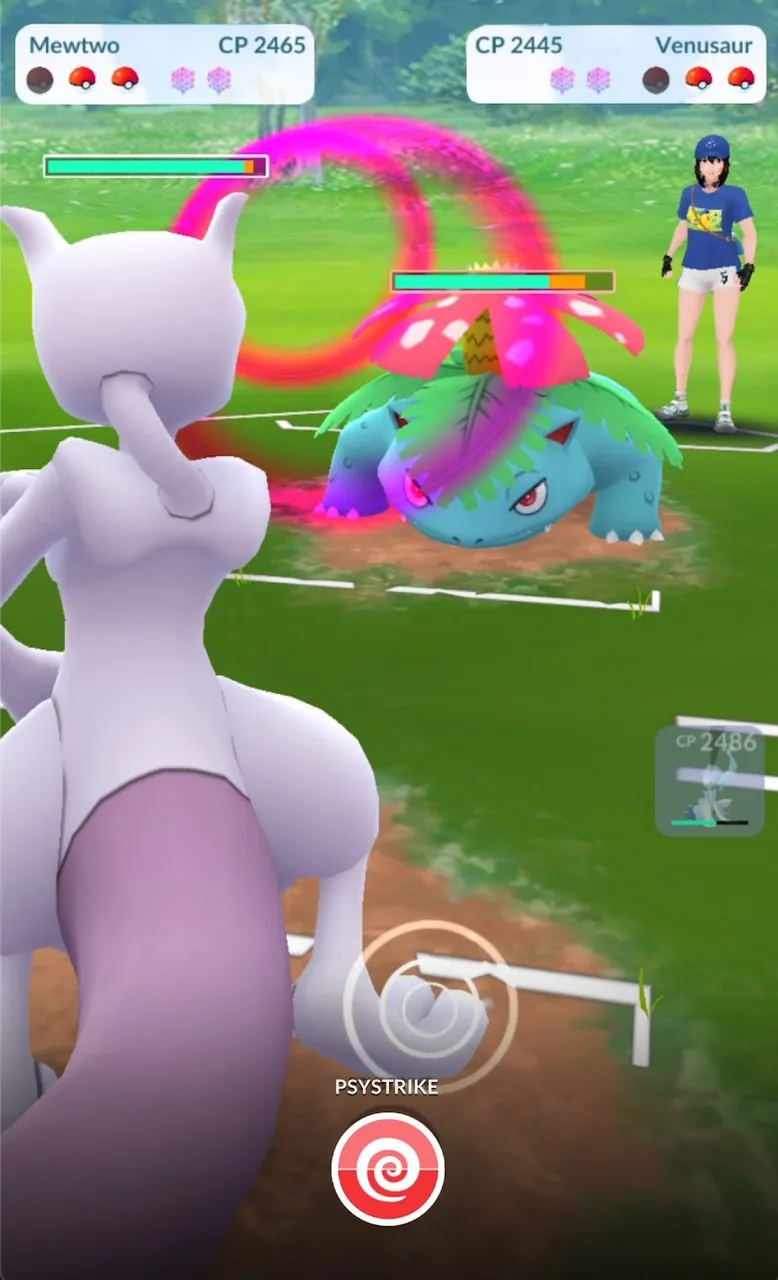
Pokémon GO is the game everyone else in this list gets compared with, and it still earns the comparison. You catch Pokémon on a map of your neighborhood, spin PokéStops (landmarks that hand out items), and team up with strangers for raids, boss fights that need a group. The collection is enormous, and there’s always an event, a Community Day, or a new form to chase.
No rival can match the crowd. A raid in a park on a Saturday draws people you’ve never met, and the in-person GO Fest events draw crowds to their host cities. Walking counts too: Adventure Sync, an opt-in setting, records your distance with the app closed and uses it to hatch eggs, earn candy for your buddy Pokémon, and pay out weekly rewards.
Two things count against it. The shop is pushy, and more of the game has moved behind paid passes such as the GO Pass. And rural players get a thin version: fewer spawns, Gyms nobody visits, and raids with nobody to fill them. Remote Raid Passes let you join raids from home, up to 10 a day, but they cost money each time (the web store sells two for $2.99). If your nearest PokéStop is a drive away, look at Orna or Pikmin Bloom first.
What it does
- Catch Pokémon, spin PokéStops, and join raids on a map of your area
- Adventure Sync counts walking distance with the app closed
- GO Battle League for battles against other players
- Monthly Community Days and in-person GO Fest events
Pros
- Raids and trades are easy to arrange in towns
- Years of goals across catching, battling, and shiny hunting
- Walking with the phone in your pocket still counts
Cons
- Rural areas get few spawns and almost no raid groups
- Remote raids cost money every time
- The shop pushes passes and bundles hard
- Skip if:
- You live far from town and can't get to PokéStops often
Orna: The GPS RPG
Deep RPG that works on any street
#2 3.9/5
 (opens full size in a new tab)
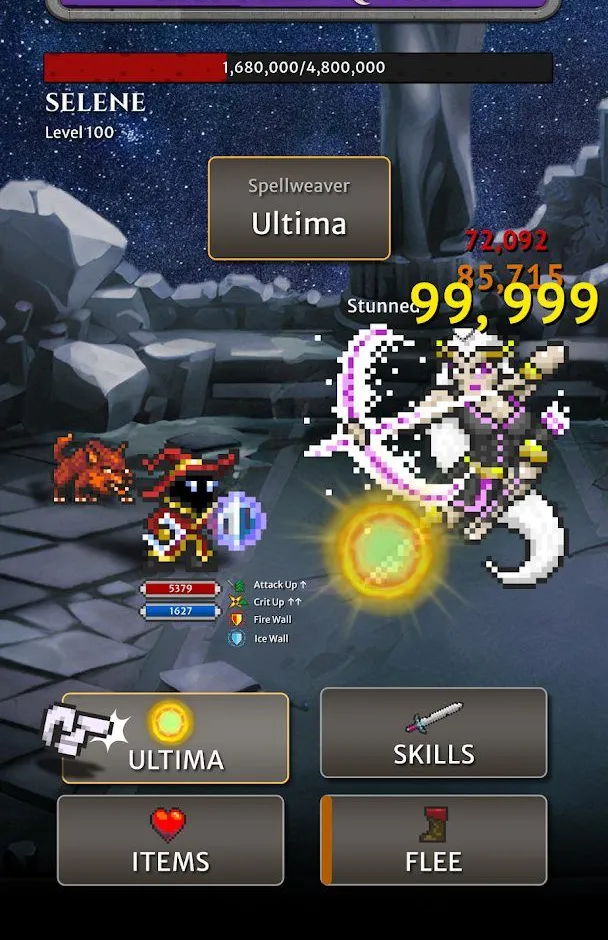
Orna is the game I’d hand to anyone Pokémon GO left with an empty map. It’s a turn-based fantasy RPG in pixel art, made by a small Canadian studio, Northern Forge, and it builds its world from OpenStreetMap data around wherever you stand. Monsters, dungeons, and towns show up on ordinary residential streets, so you don’t need a landmark to have something to fight. A Google Play reviewer in a secluded area, who couldn’t get anything to spawn in Pokémon GO even with boosts, put it plainly: “There is always an enemy to fight.”
Orna’s other draw is how much RPG it packs in. There are over 50 classes to work through, thousands of items, dungeons, world bosses, and Kingdoms, which are player guilds that raid together and fight Kingdom Wars. Battles are menus and turns, the old Dragon Quest way, so it suits anyone who’d rather plan a fight than tap fast.
The trade is less walking. Torches and lanterns raise the spawn rate, and the step goals in its Traveler’s Guild are a bonus rather than the core, so a lot of Orna happens without going far. The early game is a grind, and the player base is small, so don’t expect to meet other players at the park. Purchases are one-off ($0.99 to $9.99) with no subscription, and the free game is complete.
What it does
- Turn-based RPG with 50+ classes, dungeons, and raid bosses
- Torches and lanterns bring out more monsters near you
- Kingdoms for group raids and Kingdom Wars
- Step goals that add bonus rewards
Pros
- More RPG depth than anything else in the list, from classes to gear
- Friendly to free players, with no subscription or energy timer
Cons
- A slow, grindy early game
- Small player base, so other players nearby are rare
- No world map for planning trips to dungeons or towns
- Choose if:
- You like classic turn-based RPGs and want one you play on walks

Geocaching® app
Treasure hunts and hikes
#3 3.7/5
 (opens full size in a new tab)
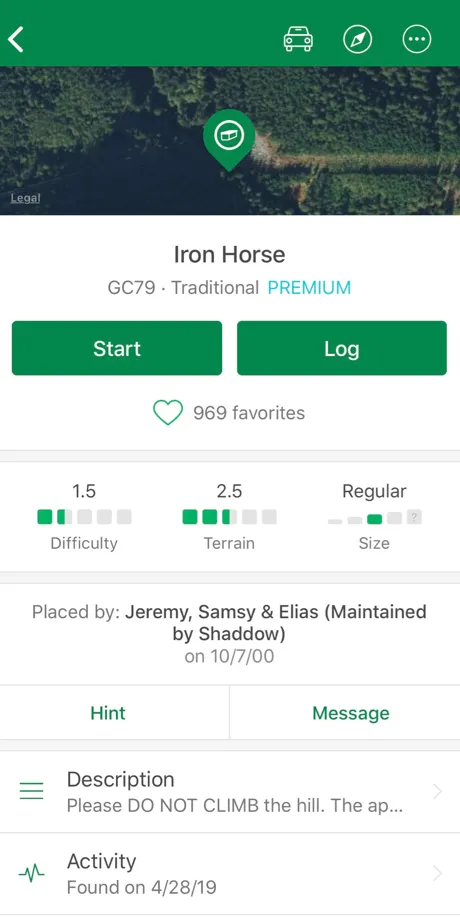
Geocaching swaps the virtual for the physical. People hide containers in parks, on trails, and in town, post the coordinates, and you go find them and sign the logbook. There are about 3.5 million active caches worldwide, some hidden behind a puzzle, some at the end of a hike. Nothing else here takes you to so many places you’d never have found on your own.
It has a social side off the screen, too. Geocachers hold meetups as event caches, run CITO (Cache In Trash Out) cleanups, and hide caches of their own, which is a hobby in itself. The flip side is that there’s no game around the hunt: no levels to grind, no battles, and nothing to do from home.
The free tier is limited enough to change the decision. A Basic account sees only the easier caches, those rated low for difficulty and terrain, with no filtered search or offline maps. Depending on where you live, that can mean most of the caches nearby are hidden. One Basic member saw no caches at all in their area. Premium costs $6.99 a month or $39.99 a year, and anyone who gets hooked ends up paying it. In the countryside, caches can sit miles apart, so expect to drive between them.
What it does
- Millions of hidden containers to find with your phone's GPS
- Hide your own caches for others to find
- Meetup events and CITO cleanups
Pros
- Takes you to new places, from city parks to hiking trails
- An active, friendly community with regular events
- No battles or timers; you go at your own pace
Cons
- The free tier hides advanced caches, filtered search, and offline maps
- Caches can be far apart in rural areas
- No way to play from home
- Choose if:
- You want to hike or explore and like the idea of finding something hidden

Monster Hunter Now
Action fights instead of tapping
#4 3.7/5
 (opens full size in a new tab)
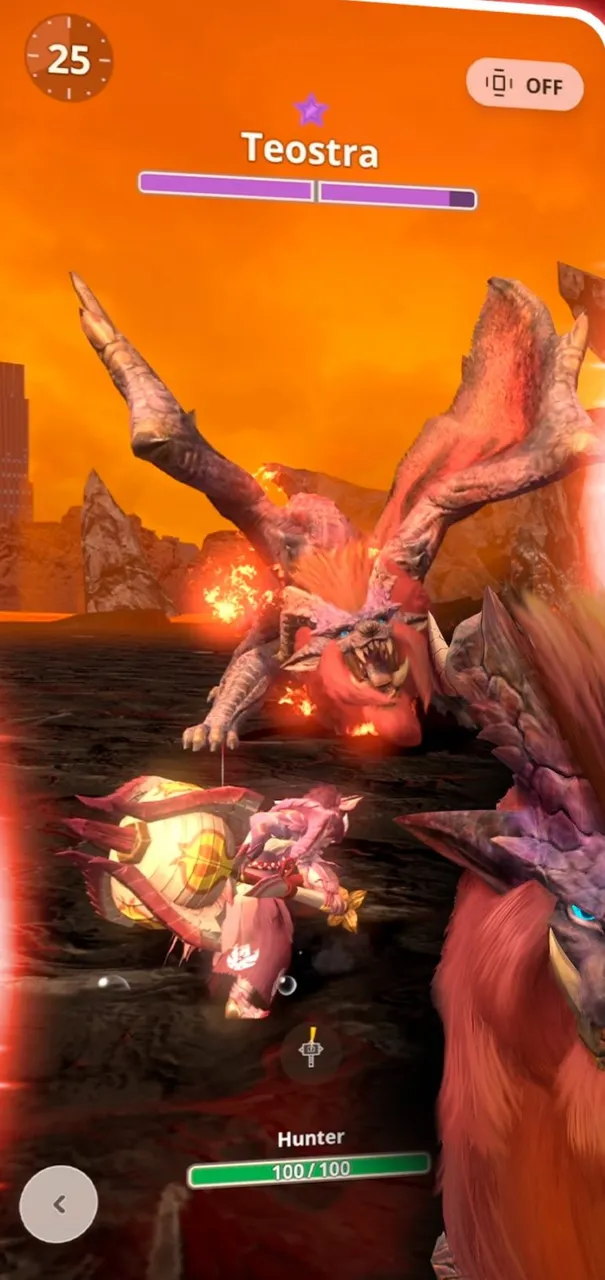
Monster Hunter Now is the pick for Pokémon GO players who wish the battles asked more of them. Monsters from Capcom’s series spawn on the map, and each hunt is a real-time fight you try to win in 75 seconds: dodging, timing attacks, and learning each monster’s moves. Drops go into forging new weapons and armor, and the build-crafting gives dedicated players months of goals.
You can save hunts for when you have time. With Adventure Sync on, your Palico (a cat companion) marks monsters you pass with paintballs while the phone is in your pocket, and you can fight them later from the couch. Dimensional Links add online group hunts matched with players anywhere, which helps if nobody near you plays.
That flexibility is also why walking matters less here than in Pokémon GO: each fight needs both hands and your full attention, so you stop to play rather than play as you go. The late game turns into a slow grind for upgrades, the item box fills up fast at higher ranks, and a speed lock blocks hunting from a car or bus. Japan accounts for most of the game’s spending, and the local player base elsewhere is less certain than Pokémon GO’s. If you do pay for a monthly Hunter Pass, the official web store adds bonus gems that the app stores don’t.
What it does
- Real-time hunts against Monster Hunter monsters, 75 seconds each
- Forge weapons and armor from monster drops
- Paintballs mark monsters on walks so you can hunt them later
- Online group hunts matched with players worldwide
Pros
- The most skill-based combat in the list
- You can save fights for later instead of stopping mid-walk
- Fights reward timing and learning each monster's moves
Cons
- A slow grind for upgrades at higher ranks
- The item box fills up quickly
- A speed lock blocks play as a passenger
- Choose if:
- You want fights that take timing and practice rather than taps

Pikmin Bloom: Walking Game
Relaxed walking with no battles
#5 3.7/5
 (opens full size in a new tab)
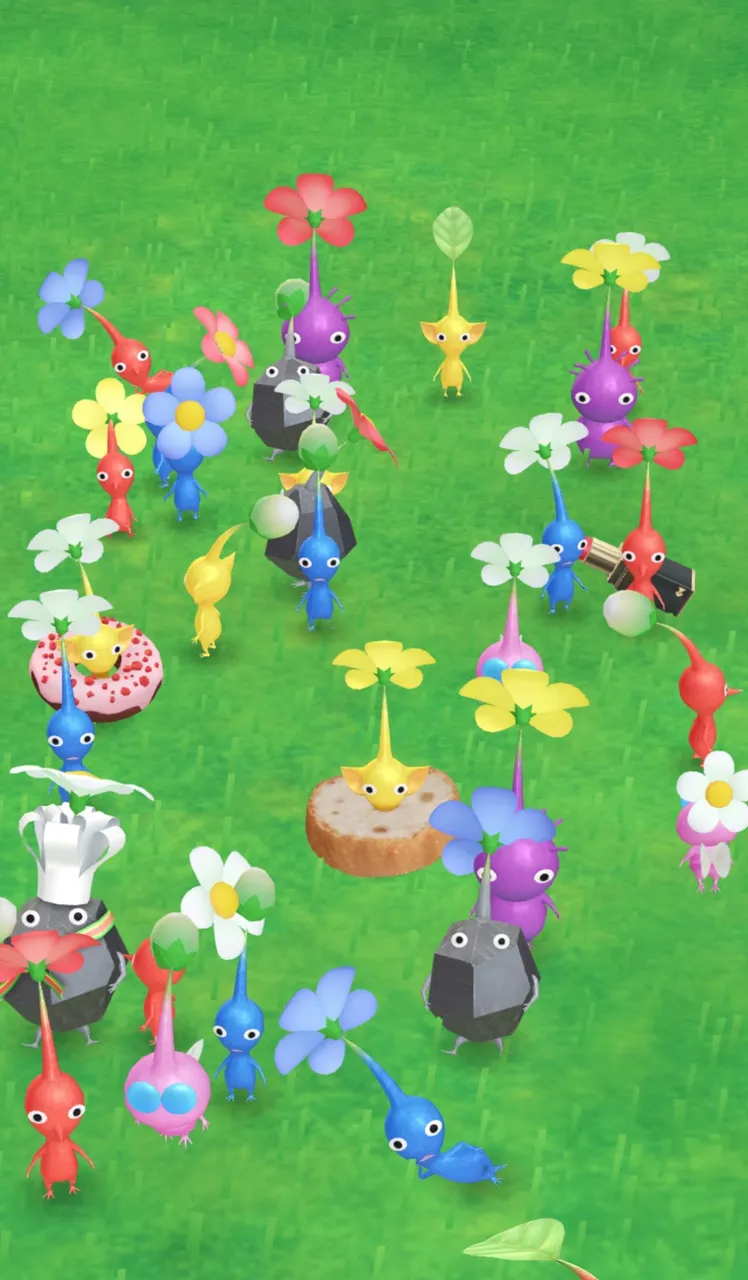
Pikmin Bloom is the gentlest game here, and that’s the point. Your steps grow seedlings into Pikmin, the little plant creatures from Nintendo’s series, and as you walk you plant a trail of flowers on the map. The app counts steps in the background, so you can leave it alone all day and check in at night to see what grew. A lifelog at the end of each day shows where you went.
You never fight other players. The group play is cooperative: weekly step challenges with up to four friends or strangers, Party Walks, and mushroom battles, where squads team up to knock down a big mushroom for rewards. The long-term goal is collecting Decor Pikmin in hundreds of costumes. Big Flowers and Special Spots sit at real places, so planting goals are easier in town, but steps count anywhere.
If you want a game to master, Pikmin Bloom runs out of challenge quickly. Progress also feels slow between events, and the step count can be off. It has no ads, and money goes on event tickets ($9.99 each) and cosmetics. Plenty of people run it beside Pokémon GO.
What it does
- Steps grow seedlings into collectible Pikmin
- Plant flower trails on the map as you walk
- Cooperative weekly challenges and mushroom battles
- A daily lifelog of your walks
Pros
- Asks almost nothing of you during a walk
- Flower planting gives each walk a visible result
- No ads, and nothing to fight other players for
Cons
- Little challenge or depth for players who want a game to master
- Progress feels slow outside events
- Step counts aren't always accurate
- Choose if:
- You want a calm companion for daily walks rather than a game to win

Zombies, Run!
Audio story for runners
#6 3.6/5
 (opens full size in a new tab)
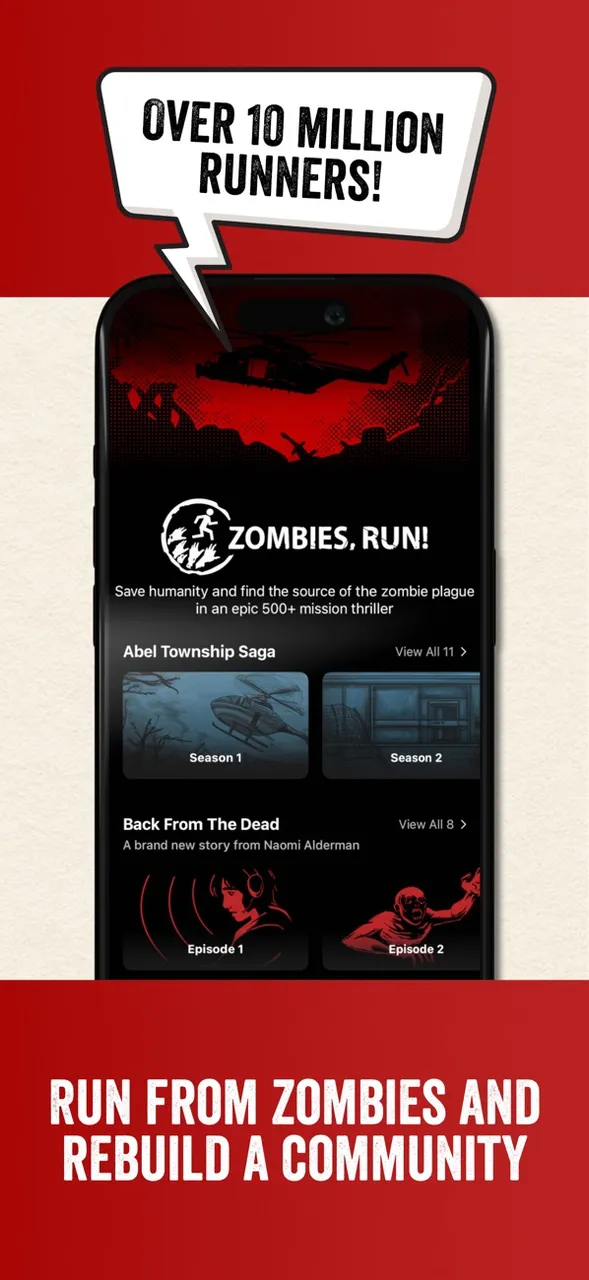
Zombies, Run! is the one to pick if you’d rather run than wander. You put on headphones, and a story about surviving a zombie outbreak plays between the songs in your own music. Each run or walk is a mission, you pick up supplies along the way, and you use them to build up your base. Optional chases make you speed up when zombies close in, which turns a jog into intervals without you planning any.
It works on any route at any speed, including a treadmill or a quiet country lane, because nothing depends on where you are. The tradeoff is that it never sends you somewhere new, and it’s a solo game apart from virtual races for top-tier members. Chases and distance tracking can glitch, too.
You can try it free, but a membership ($6.99 a month or $49.99 a year) unlocks every mission. With hundreds of missions across many seasons, that’s years of runs for anyone who keeps going.
What it does
- Audio story missions that play between your music tracks
- Optional zombie chases that make you speed up
- Collect supplies on runs to build your base
Pros
- Works anywhere, including treadmills and rural roads
- Hundreds of missions with a voice-acted story
- Turns a run into a game without needing a map
Cons
- Most missions need a paid membership
- Mostly solo, with little to do with other players
- Chases and distance tracking can glitch
- Choose if:
- You run or walk for fitness and want a story to keep you going

Ingress
Team strategy for city players
#7 3.1/5
 (opens full size in a new tab)
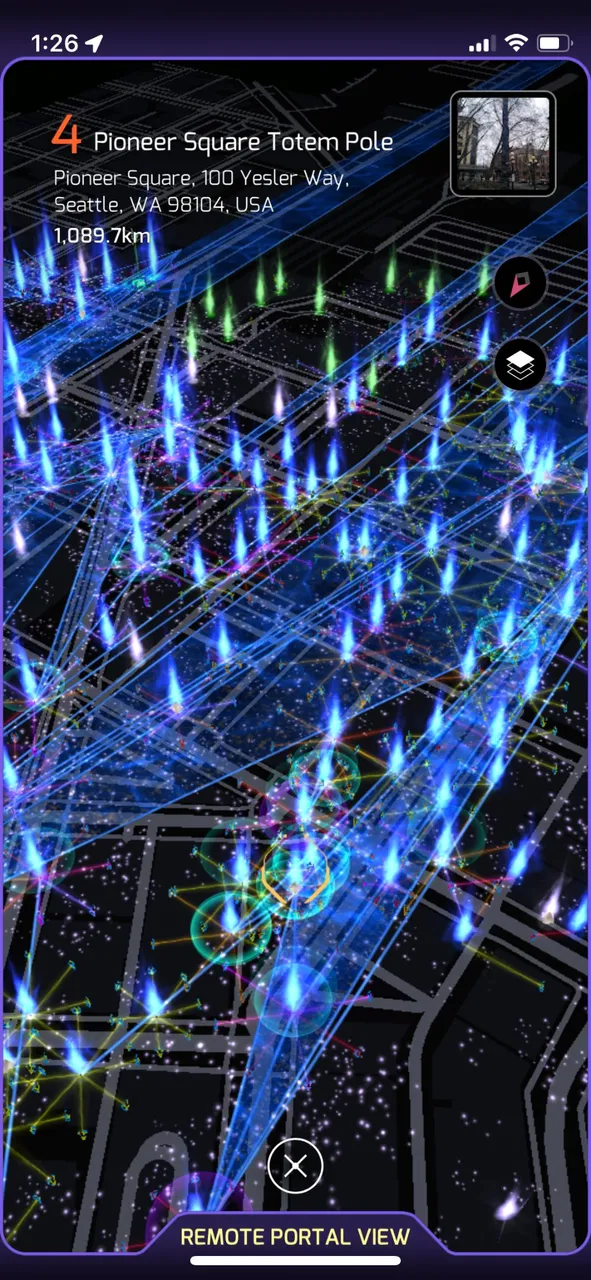
Ingress (once called Ingress Prime) is the game Pokémon GO grew out of, and it’s still the most strategic. You join one of two factions, the Enlightened or the Resistance, and capture Portals, which sit at public art, monuments, and landmarks. Linking three Portals makes a triangular field that claims the ground inside it for your side. The big moves take planning and a team, and local faction chats are part of the fun.
Because Portal density drives the game, Ingress works best in cities. With few Portals near you there’s little to do, and newcomers face a steep start against veterans. Its community is far smaller than Pokémon GO’s and older, and one long-time player calls it pay-to-win since the in-game shop expanded. Ingress is still updated, and if you live near plenty of public art and like the idea of outplanning a rival team, nothing else plays like it.
What it does
- Two factions competing for Portals at real landmarks
- Link Portals into fields to claim territory
- Local and regional faction chat
Pros
- The most strategic play in the list
- Teamwork with local players is the core of the game
- Sends you to public art and landmarks
Cons
- Little to do without many Portals nearby
- A steep start for newcomers
- A smaller, older community than Pokémon GO's
- Choose if:
- You like strategy and team planning more than collecting
Jurassic World Alive
Dinosaur collecting and player battles
#8 2.9/5
 (opens full size in a new tab)
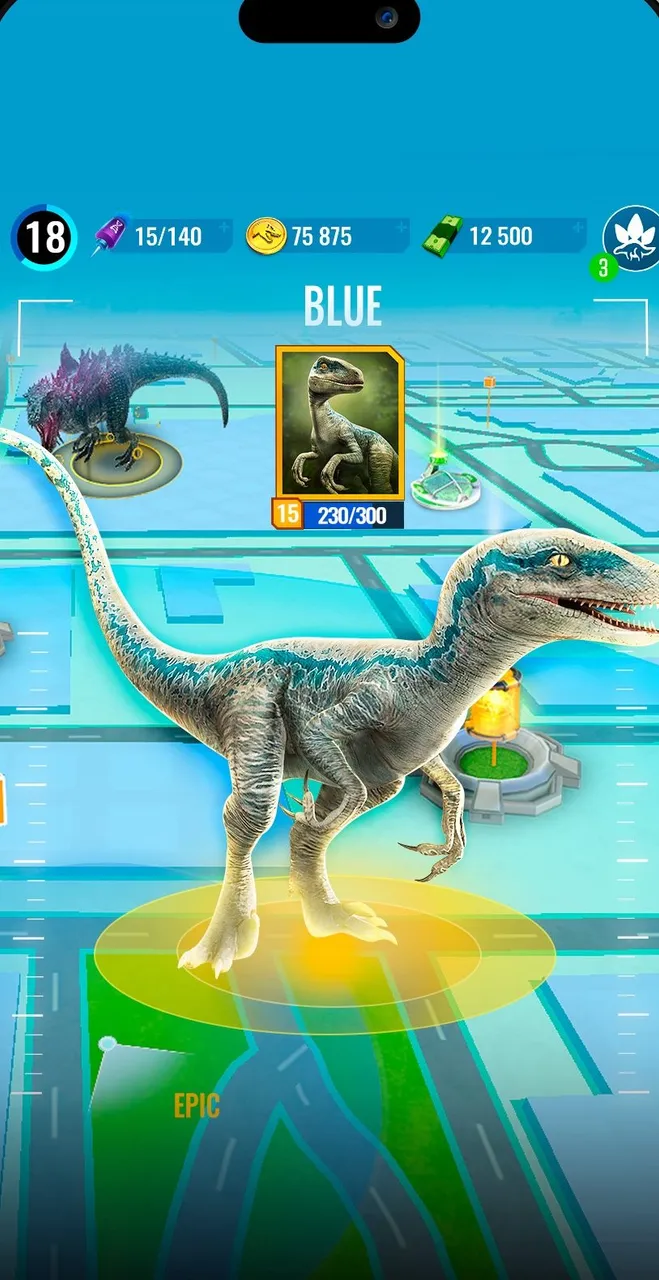
Jurassic World Alive puts dinosaurs from the films on your map. Instead of throwing balls, you fly a drone and fire darts at a moving dinosaur to collect its DNA, which takes some aim. DNA levels up your dinosaurs and fuses them into hybrids, and then you fight other players’ teams in arena battles. New dinosaurs keep arriving, and building a team gives dedicated players plenty to work on.
The spending pressure is hard to ignore. It sells loot boxes, shows ads, and pushes a $9.99-a-month VIP membership plus season passes. When the game switched map providers, rural maps went empty, with dinosaurs players couldn’t reach. If dinosaurs are what you love, it’s worth a try in a town. Otherwise, Pokémon GO does the same job with a fairer free game and more people.
What it does
- Dart dinosaurs from a drone to collect DNA
- Create hybrid dinosaurs in a lab
- Real-time arena battles against other players
Pros
- Darting takes aim rather than luck
- A big roster of film dinosaurs and hybrids
Cons
- Loot boxes, ads, and a pushy VIP membership
- Rural maps can be empty
- Skip if:
- You dislike loot boxes and constant sales pressure
Also considered
- Dragon Quest Walk is a walking RPG with Dragon Quest monsters and turn-based fights, and it’s one of the biggest location games in Japan. It’s sold only in Japan with a Japanese-only interface, so most readers can’t play it.
- Peridot, Niantic’s virtual pet game, has shut down: the app is no longer downloadable and its servers are closed.
Scores
1–5 per criterion · select a score for its reasoning and any sources
| # | Product | Overall | How fun it is to play , counts double | Reasons to walk and explore | Plays well where you live | Fair to free players | Long-term goals and depth | People to play with |
|---|---|---|---|---|---|---|---|---|
| 1 | Pokémon GO | 4.4 | 5 | 5 | 3 | 3 | 5 | 5 |
| 2 | Orna: The GPS RPG | 3.9 | 4 | 3 | 4 | 4 | 5 | 3 |
| 3 | Geocaching® app | 3.7 | 4 | 5 | 3 | 2 | 4 | 4 |
| 4 | Monster Hunter Now | 3.7 | 4 | 4 | 3 | 3 | 4 | 4 |
| 5 | Pikmin Bloom: Walking Game | 3.7 | 3 | 5 | 4 | 4 | 3 | 4 |
| 6 | Zombies, Run! | 3.6 | 4 | 4 | 5 | 2 | 4 | 2 |
| 7 | Ingress | 3.1 | 3 | 4 | 2 | 3 | 4 | 3 |
| 8 | Jurassic World Alive | 2.9 | 3 | 3 | 2 | 2 | 4 | 3 |
Equal displayed overall scores are ordered by the earlier criteria; a known score comes before an unknown score. Identical scores use alphabetical order.
×2 = counts double in the overall score, ×½ = counts half.
How each criterion is scored
How fun it is to play
Counts double in the overall score: These are games, and how much fun they are decides whether a reader keeps walking with one or uninstalls it.
Judged: how enjoyable the moment-to-moment play is and whether players keep coming back after the first weeks. Judged from what reviewers and many players agree on, store ratings with large rating counts, and how the core loop works (catching, fighting, finding, story).
- 5 The genre's best-regarded play, which large numbers of players keep enjoying for years
- 4 Well loved, with a core loop players stick with for months, despite some complaints
- 3 Pleasant and well liked, though light or dated next to the best of the genre
- 2 Enjoyable in short bursts, but thin or repetitive, and widely criticized
- 1 Most players find the core play dull or frustrating and drop it quickly
Reasons to walk and explore
How much the game rewards getting out on foot: whether walking itself moves the game forward (steps or distance, including with the app closed) and whether it sends you to real places worth visiting.
- 5 Walking and visiting real places are the heart of the game, and distance counts even with the app closed or the game is built entirely around going somewhere
- 4 Walking drives most progress, either by counting distance or by sending you to real places
- 3 Walking or visiting places matters, but much of the game can be played without moving
- 2 Walking helps a little, but most progress comes from playing in one spot
- 1 Walking barely matters; the game plays the same standing still
Plays well where you live
How well the game works away from city centers: in suburbs, small towns and rural areas with few landmarks or other players, and when you can't get out. Judged from how the game places things to do and from players' reports.
- 5 Works the same anywhere you can walk, even on a treadmill or a quiet country road
- 4 Works well almost anywhere, with only some features tied to landmarks or crowds
- 3 Works in most places, with noticeably less to do away from towns, or paid workarounds
- 2 Playable outside cities, but rural players report empty maps and missing key modes
- 1 Close to unplayable without a dense city around you
Fair to free players
How much of the game a player gets without paying, and how hard it pushes purchases. Loot boxes, paid power in player-versus-player modes and core content behind a subscription score lower; optional cosmetics and convenience score higher.
- 5 Free in full, or purchases are cosmetic only
- 4 Generous to free players; purchases mostly save time or add extras
- 3 Fully playable for free, but money buys real progress and paid items are pushed often
- 2 Much of the core content sits behind a subscription, or purchases buy a large advantage over other players
- 1 Barely playable without paying
Long-term goals and depth
What keeps a dedicated player going for months or years: collections, builds and classes, strategy, endgame content, competitive modes and a steady flow of new content.
- 5 Years of goals across many systems (collection, builds, competitive play and events)
- 4 Several deep systems or an endless supply of new goals
- 3 Goals for several months, but a shallow endgame or few systems
- 2 A light collection or routine with no real endgame
- 1 Little to do after the first few weeks
People to play with
How much the game lets you play with others and how likely you are to find them: co-op and teams, local communities and events, and the size of the active player base.
- 5 A huge active player base with frequent local and worldwide events
- 4 Active co-op or community play and regular events, with players in most regions
- 3 Real co-op or team play, but a small or scattered player base, so locals can be hard to find
- 2 Mostly solo, with optional leaderboards, races or friend lists
- 1 Solo only
How to choose
- You live in or near a town: Pokémon GO. Busy raid groups, easy trades, and well-attended events are the draw.
- You live in a small town or the countryside: Orna for a game with depth, Pikmin Bloom for something relaxed. Both work without landmarks.
- You want fights that test your reflexes: Monster Hunter Now.
- You want to see new places: Geocaching. Premium is worth it once you want the full choice of caches and offline maps.
- You run, or walk on a treadmill: Zombies, Run! works at any speed and on any route.
- You like strategy and teamwork: Ingress, as long as there are plenty of Portals around you.
Verdict
Pokémon GO wins on its players. The raids, trades, and events that make it worth opening every day need other people nearby, and no other location-based game has as many. If that describes your area, start there, and add Pikmin Bloom if you want more out of the steps you already take.
Outside towns the order flips. Orna packs a full RPG into your walks, Pikmin Bloom asks almost nothing of you, and Zombies, Run! turns your route into an audio adventure. Monster Hunter Now sits in between: its online group hunts help where locals are scarce, but its fights pull you to a stop. Geocaching is the outlier, a hobby more than a game, and the best of them for discovering places.
Start with the streets around you: a busy town opens up every game, while a quiet road calls for one that doesn’t depend on a crowd.
Frequently asked questions
Are there games like Pokémon GO you can play without walking?
Partly. Monster Hunter Now lets you mark monsters on a walk and fight them later at home, and Pokémon GO sells Remote Raid Passes for joining raids from the couch. Orna’s studio makes Hero of Aethric, a similar RPG with no GPS at all. If you want a big world to explore on a phone without leaving the house, a game from our open-world mobile games ranking fits better.
Can you play Pokémon GO and Pikmin Bloom at the same time?
Yes. Both count steps in the background, through Adventure Sync in Pokémon GO and Pikmin Bloom’s own step tracking, so one walk moves both games forward.
Do these games drain your battery?
Any game that keeps the screen on with GPS running uses battery fast. Adventure Sync in Pokémon GO and Pikmin Bloom’s background counting can track a walk with the screen off, while Monster Hunter Now’s paintballs save monsters for later. Those features let you spend less of a long walk staring at a lit screen.
We scored 8 products on 6 criteria using 113 quotes, 26 of them from the products' own websites. How our rankings work