Best apps to learn Spanish in 2026
The most downloaded Spanish app in the world mostly has you tapping. Duolingo is free, fun and very good at getting you to open it every day, but the skill most people want, holding a conversation, is the one it trains least. A Spanish teacher who reviewed it put it bluntly: “I realized I was getting good at tapping buttons, not speaking Spanish.”
So the question to ask of any Spanish app isn’t how many lessons it has. It’s what you spend a session doing: tapping answers, listening, or talking. The pick for most people who want to speak is Speak, an app built around saying Spanish out loud and chatting with an AI tutor that corrects you, for about $84 a year. If you won’t pay anything, start with Language Transfer, a free audio course that has you build real sentences from the first lesson, and keep Duolingo as your daily warm-up. If you want a proper course with the grammar explained, Babbel is the classic choice.
Quick picks


Four ways these apps teach
Every app here falls into one of four camps, and which camp suits you matters more than the brand.
- Courses you tap through (Duolingo, Babbel, Busuu, Memrise, Rosetta Stone) teach through short exercises on screen. They’re the easiest to fit into spare minutes and the best at reading, but most of your time goes to matching and typing, not speaking.
- Audio courses (Pimsleur, Language Transfer) talk you through building sentences out loud. You can do them while driving, and you’ll speak a lot, but you’ll see little written Spanish.
- Conversation (Speak’s AI tutor, italki’s human tutors) puts you in a back-and-forth from the start. That’s the fastest route to talking, and a human tutor is the priciest option by far.
- Comprehensible input (Dreaming Spanish) is hours of videos entirely in Spanish, pitched at your level. It’s the best way to learn to understand fast, natural speech, and it tells you to hold off on speaking.
No single app covers everything. A sensible plan is one app that makes you talk plus, once you know the basics, one that makes you listen.
Speak
Best for speaking from day one
#1 3.7/5
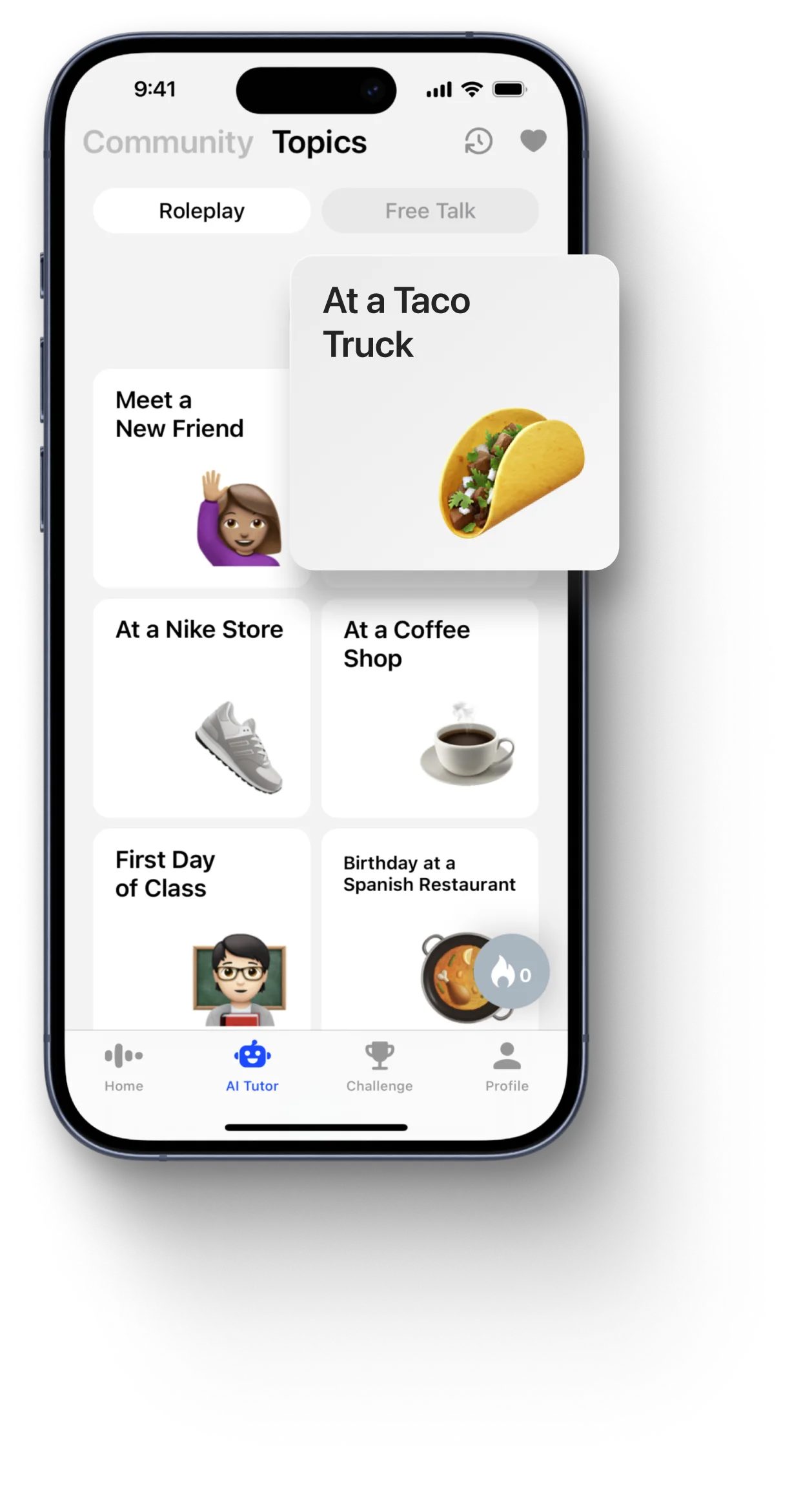
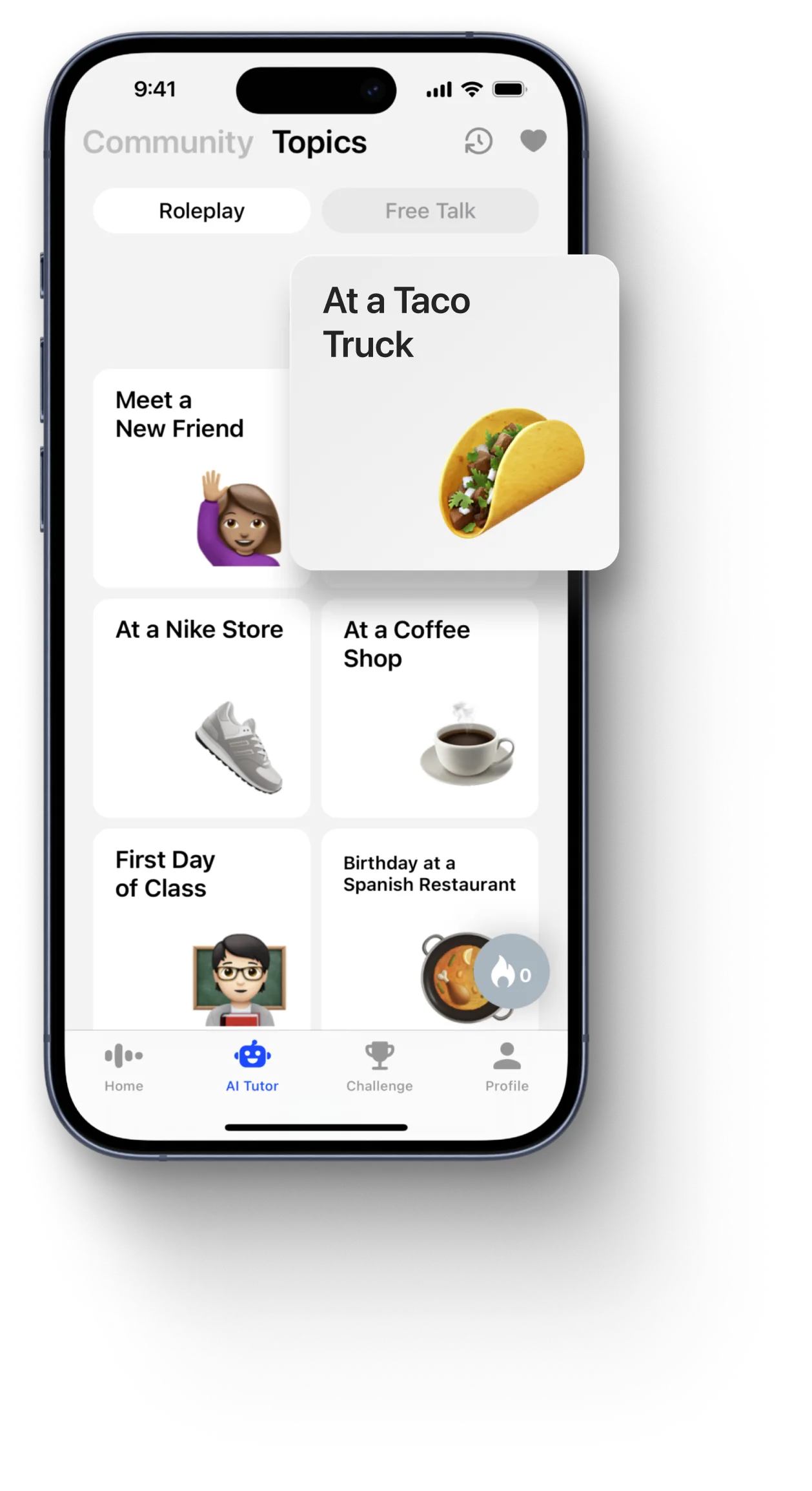
Speak is for the learner who wants to talk, and wants to start before they feel ready. Short instructor videos introduce a phrase and pause so you repeat it, then the drills have you say variations of it out loud. There’s no tapping words into place. Then the AI tutor takes over: role-plays such as ordering at a taco truck, or free conversation, and when you’re done it points out what you got wrong. One App Store reviewer said it felt “like an in-person class,” with three mistakes to go over at the end of each chat.
Compared with Duolingo or Babbel, the difference is how much of the session you spend speaking. Most course apps add a speaking exercise here and there; in Speak it’s nearly all of it, and the instructor videos explain new phrases as they come up.
The weak spot is that Speak started as an app for people learning English, and its Spanish course is thinner than its English one. Listening is limited to the instructor videos and AI voices, so you’ll want something like Dreaming Spanish alongside it once you’re past the basics. There’s no free tier, only a 7-day trial. Premium is $83.99 a year on the App Store; Premium Plus ($164.99 a year) adds unlimited feedback from a smarter AI tutor. It runs on iPhone, iPad and Android.
What it does
- Instructor videos that pause for you to repeat each new phrase
- AI tutor for role-plays and free conversation
- Pronunciation and grammar feedback, with your mistakes listed after each chat
Pros
- You spend nearly the whole session speaking
- Feedback on what you actually said, not just a pass or fail
- Explains new phrases as they come up
Cons
- No free tier after the 7-day trial
- Thin on listening to real native speakers
- The Spanish course is smaller than Speak's English one
- Skip if:
- You mainly want to read Spanish or pass a written exam
italki
Real conversation with a tutor
#2 3.6/5

italki isn’t a course. It’s a marketplace where you book one-on-one video lessons with Spanish tutors, paying per lesson with no subscription. For getting comfortable in real conversation, nothing in an app beats a patient native speaker who adapts to you, and you can pick a tutor from Mexico, Colombia, Spain or wherever your Spanish needs to work. Lessons run 30, 45, 60 or 90 minutes, and tutors teach every level up to exam prep.
The price is the problem. italki puts Spanish tutors at $4 to $60 an hour, and a 30-minute lesson typically costs $4 to $10. One hour a week at about $10 an hour is roughly $520 a year, more than twice what the priciest app here costs. Quality also varies: a “community tutor” is mostly a conversation partner, while a “professional teacher” will run a structured course. Expect to try a few before one sticks, and use the trial lessons many tutors offer.
Speak gives you more speaking time per dollar; italki gives you a human who catches what an AI misses and who’ll notice when you haven’t shown up. Plenty of learners do both: an app for daily practice, a tutor once or twice a week.
What it does
- One-on-one video lessons with tutors you pick
- Filter tutors by country, price and specialty
- Pay per lesson, with trial lessons from many tutors
Pros
- Real, unscripted conversation at your level
- Choose the accent and country you need
- Works at every level, from zero to exam prep
Cons
- Regular lessons cost far more than any app subscription
- Tutor quality varies, and finding a good one takes trial and error
- No built-in course, so beginners need a professional teacher who brings one
- Choose if:
- You need to hold real conversations soon and can budget for weekly lessons
Language Transfer
Free grammar that clicks
#3 3.4/5
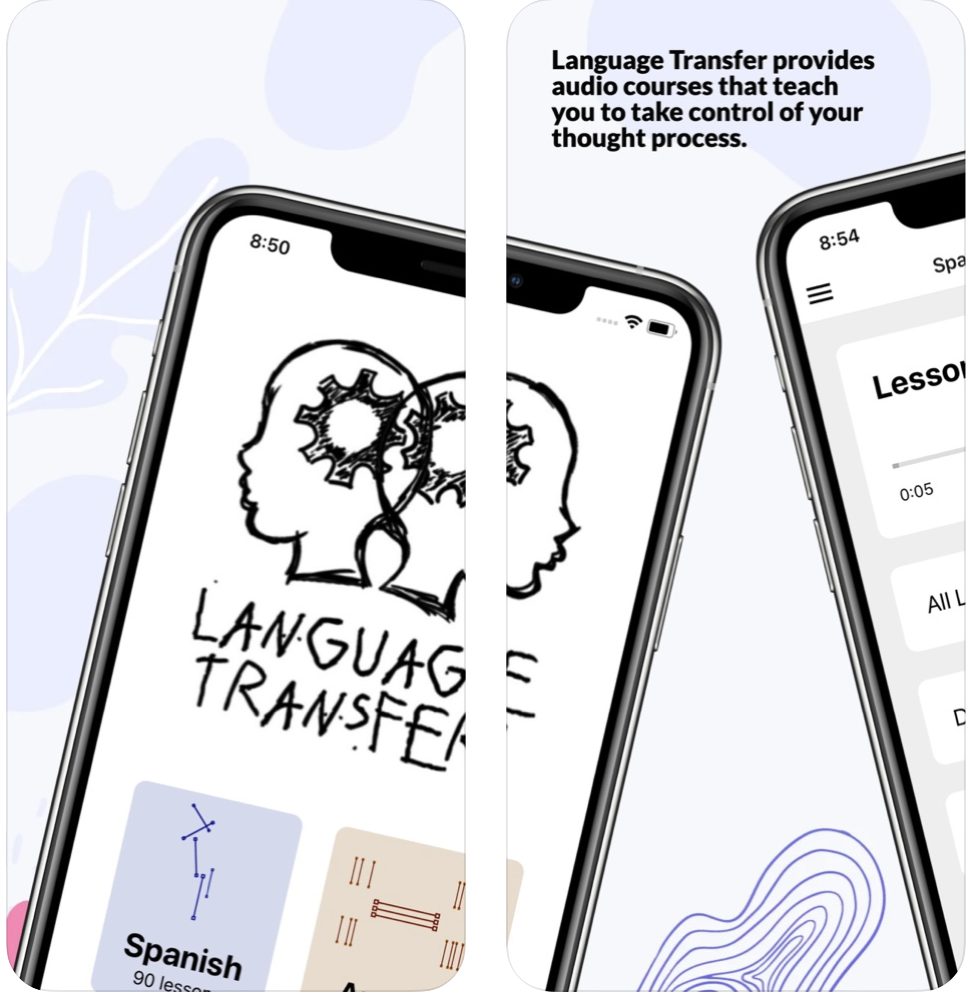
Language Transfer’s Complete Spanish is a free audio course: about 90 short tracks, roughly 15 hours, where a teacher talks a student through Spanish in English. You pause after each prompt, work out the sentence yourself and say it aloud, then hear the student’s answer. It starts from the many words English and Spanish share and builds verbs and tenses step by step, so by the end you can put together sentences no one taught you directly.
It’s the clearest explanation of how Spanish works you’ll find in an app, and it’s completely free: no ads, no account, no paywall. You can download every track, which makes it handy offline and on a commute.
What it doesn’t do is make you understand native speakers. Most of what you hear is English and slow Spanish from the teacher, there are no exercises or progress tracking, and nothing checks your answers except the student on the recording. Once you finish, the course ends, so pair it with something for listening, and with Duolingo or another app if you like a daily streak.
What it does
- 90 audio tracks of guided sentence building
- Explanations in English of why Spanish works the way it does
- Free apps for iPhone and Android, plus downloadable audio
Pros
- Free, with no ads or sign-up
- Gets you building your own sentences out loud from the first track
- Works hands-free and offline
Cons
- Very little native-speaker Spanish
- No exercises, quizzes or feedback
- About 15 hours of material, then you need something else
Babbel
A classic course with clear grammar
#4 3.4/5
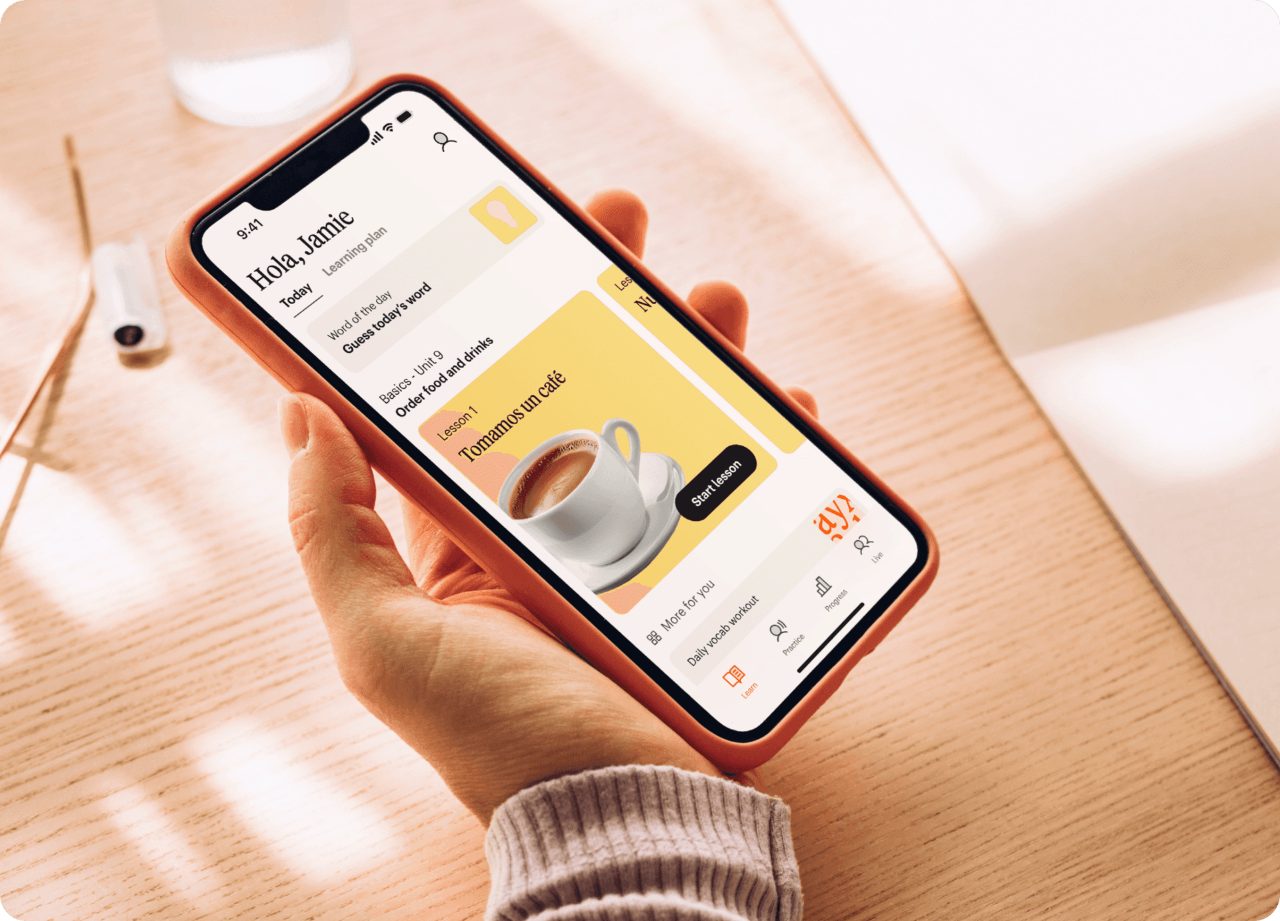
Babbel is the closest thing to a good college class on your phone. Lessons take 10 to 15 minutes, built around practical dialogues, and the grammar is explained in plain English right in the lesson rather than tucked away in a separate guide. The course runs from beginner levels into advanced material, and you choose Spain Spanish or Latin American (Mexican) Spanish.
Speaking is where Babbel is middling. There are speech-recognition exercises and Babbel Speak, an AI conversation partner, but Babbel Speak is still a beta, and its chats are short, simple and quick to let mistakes slide. Most of your session is still reading, tapping and typing. It’s a solid base for understanding Spanish; it won’t push you to talk the way Speak or a tutor will.
Buy on the web, not in the app. The 12-month plan is $107.40 on Babbel’s site for all 14 languages, while the App Store charges $17.99 a month for Spanish alone. A $299.99 lifetime plan suits anyone who knows they’ll stick with it. The free part is only a lesson or two per course.
Busuu, below, is a similar course for less money. Babbel’s edge is clearer explanations; Busuu’s is a lower price and feedback from real people.
What it does
- Short lessons built on practical dialogues
- Grammar explained in English inside each lesson
- Spain or Latin American Spanish
- Babbel Speak AI conversation (beta)
Pros
- Grammar explained clearly inside each lesson
- Practical, adult-oriented content
- One web subscription covers every language
Cons
- Most lesson time is tapping and typing, not speaking
- Exercises can feel dry next to Duolingo
- Almost nothing is free

Busuu
Full course with native-speaker corrections
#5 3.4/5
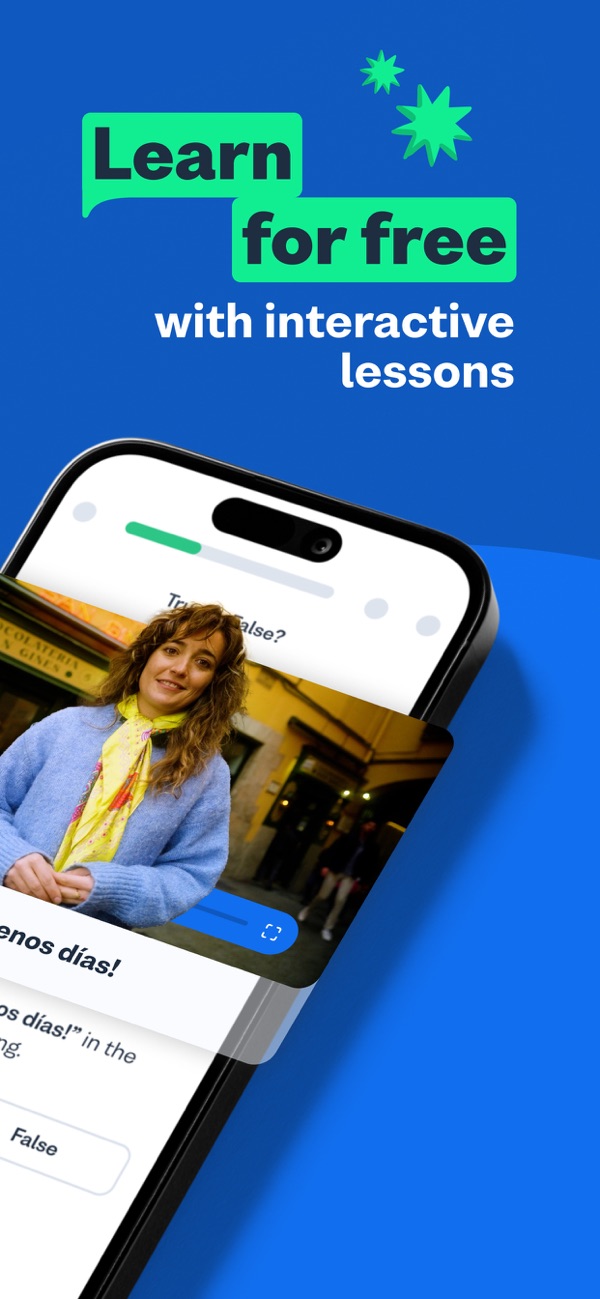
Busuu is a structured course much like Babbel’s, at a lower price, with one feature no other course app here has: you can record yourself or write an answer and have other members, often native Spanish speakers, correct it. You return the favor by correcting people learning English. Corrections sometimes come from people who aren’t native speakers, so treat them as a second opinion, but it’s still a real person’s reaction to your Spanish.
The Complete Spanish course runs from A1 to C1 (the CEFR scale, where B1 means you can handle most everyday situations), with more than 510 lessons. There’s also a separate Complete Latin American Spanish course, since the main one leans toward Spain. Premium is $72.99 a year and unlocks the full course, grammar review, offline mode and community feedback. Premium Plus, $87.90 a year, adds AI conversations and pronunciation practice, though not in every language.
The free tier opens only some lessons in each chapter, so you’ll hit locked lessons quickly. And the review flashcards are more rote than fun.
What it does
- CEFR-based course from A1 to C1
- Separate Latin American Spanish course
- Corrections from other members on your spoken and written answers
- Offline mode on Premium
Pros
- Cheaper than Babbel for a full year
- Real people react to your Spanish
- Long course with room to grow
Cons
- Community corrections aren't always from native speakers
- The free tier locks much of each chapter
- Review exercises feel repetitive

Duolingo
Free daily habit
#6 3.4/5
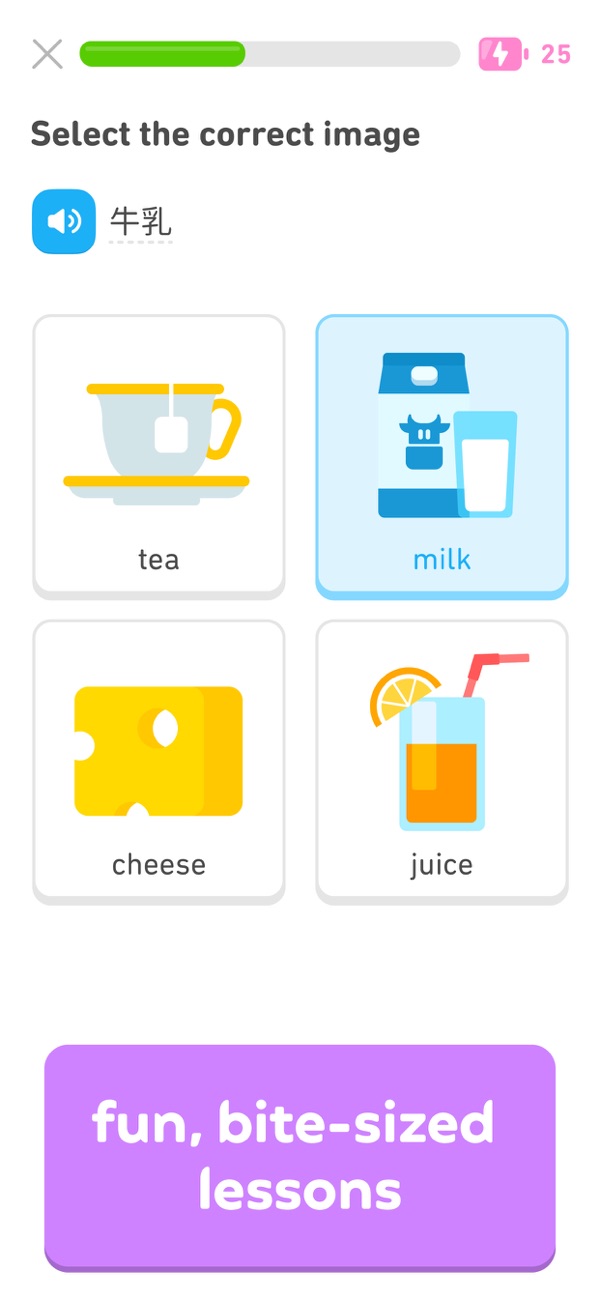
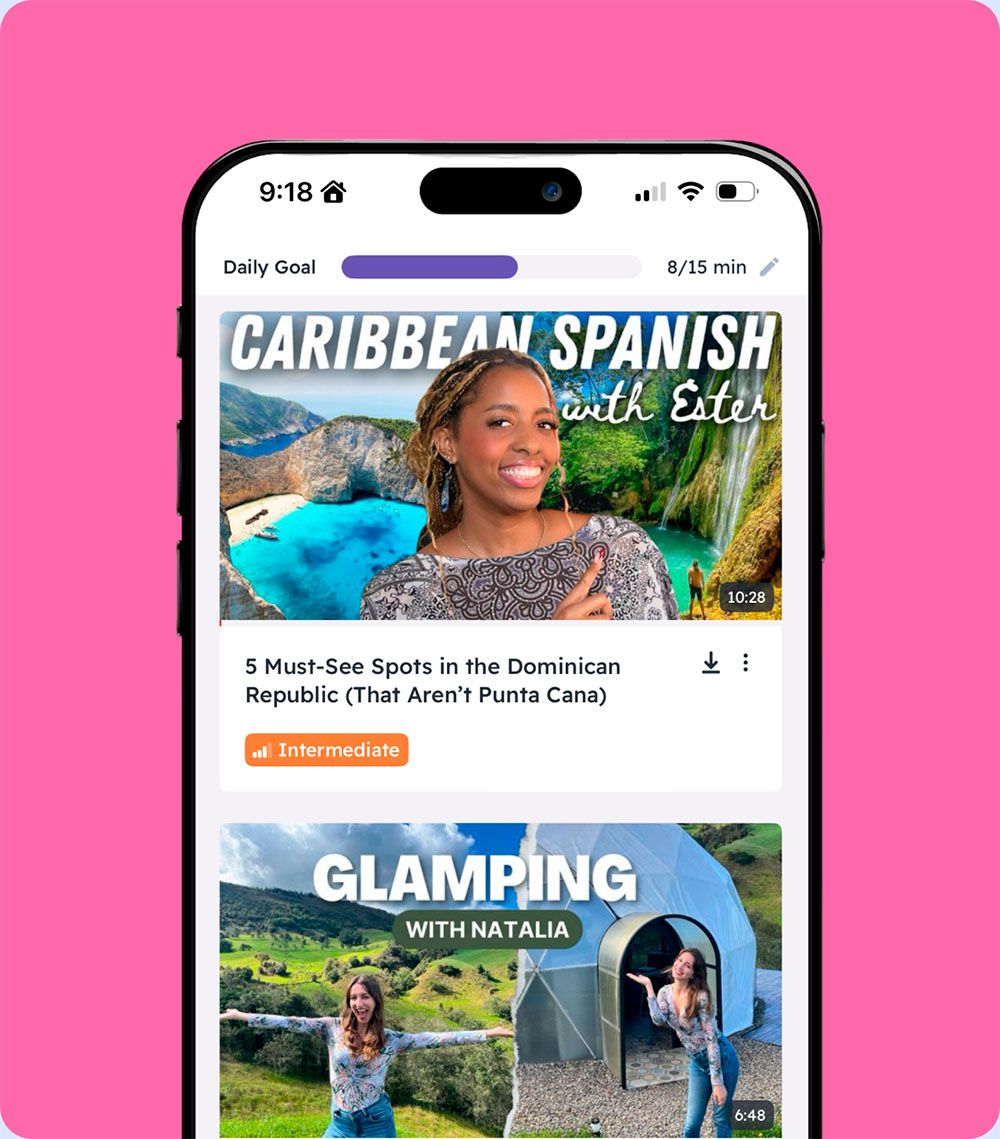
Duolingo is the app most people already have, and there’s a reason: the whole Spanish course is free, lessons take a few minutes, and streaks, leagues and reminders make skipping a day feel worse than doing a lesson. No other app here is as good at simply getting you to practice. The free course reaches B2 (upper-intermediate) content, with Stories and DuoRadio for listening to short scripted scenes. It teaches Latin American Spanish.
The trouble is what a session consists of. You mostly translate, tap word tiles and match pairs. The speaking exercises have you repeat phrases in isolation, and grammar lives in separate Guidebook tips you can skip. Plenty of people keep a streak for years and still freeze when someone speaks to them. The claim that finishing its units matches university semesters rests on test scores, not on holding a conversation.
Use it for what it does well: a daily habit and vocabulary. Free users see ads and a daily “energy” limit; Super Duolingo ($12.99 a month) removes both, and Duolingo Max adds AI role-play and video calls for more money.
What it does
- Full Spanish course free, up to B2 content
- Streaks, leagues and daily goals
- Stories and DuoRadio listening practice
Pros
- The whole course is free
- Better than any other app at keeping you practicing every day
- Easy to fit a lesson into any spare minute
Cons
- Little real speaking practice
- Grammar explanations are separate and easy to skip
- Ads and a daily energy limit on the free plan
- Choose if:
- You need a daily nudge to keep going alongside a course that makes you speak

Memrise
Native speakers on video
#7 3.3/5
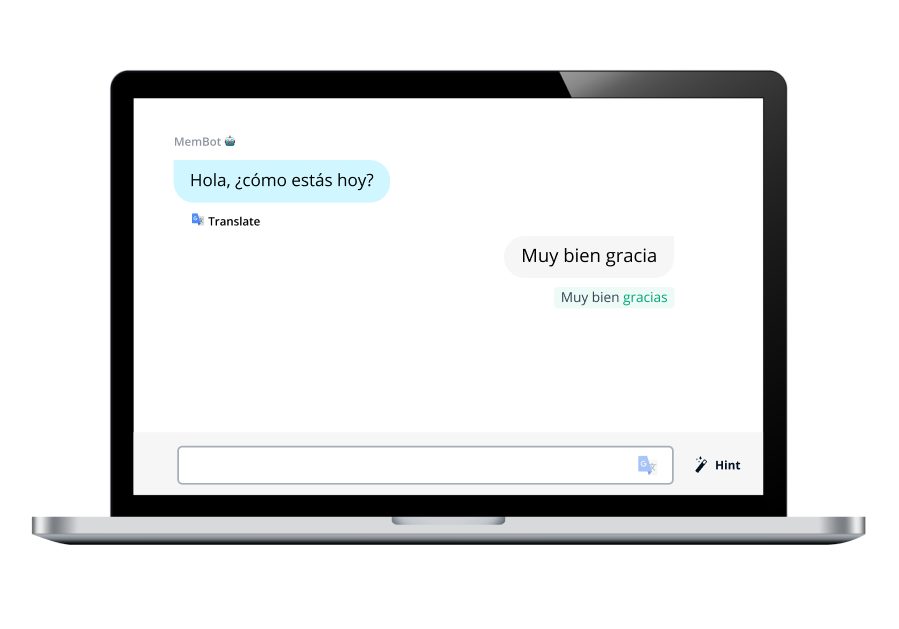
Memrise’s best trick is its videos: more than 1,000 short clips of real Spanish speakers, in different accents, saying the words and phrases you’ve just learned. Most apps play slow, over-careful recordings; Memrise gets you used to how people actually sound. You also get AI conversation practice, one session a day on the free plan and unlimited on Pro, and separate courses for Spain and Mexican Spanish.
Grammar is the weak spot. Memrise teaches by scenario and vocabulary and mostly leaves you to pick up the rules. That makes it a good partner for Language Transfer or Babbel rather than a course to rely on alone. Pro is $61.99 a year; the monthly plan in the App Store costs $24.99, so pay yearly if you pay at all.
What it does
- 1,000+ Spanish clips of native speakers
- AI conversation practice
- Spain or Mexican Spanish courses
Pros
- Real accents and natural speech from early on
- The cheapest yearly plan among the paid apps here
- Usable free tier with one AI chat a day
Cons
- Little grammar explanation
- Monthly billing is expensive

Pimsleur
Hands-free audio lessons
#8 3.0/5
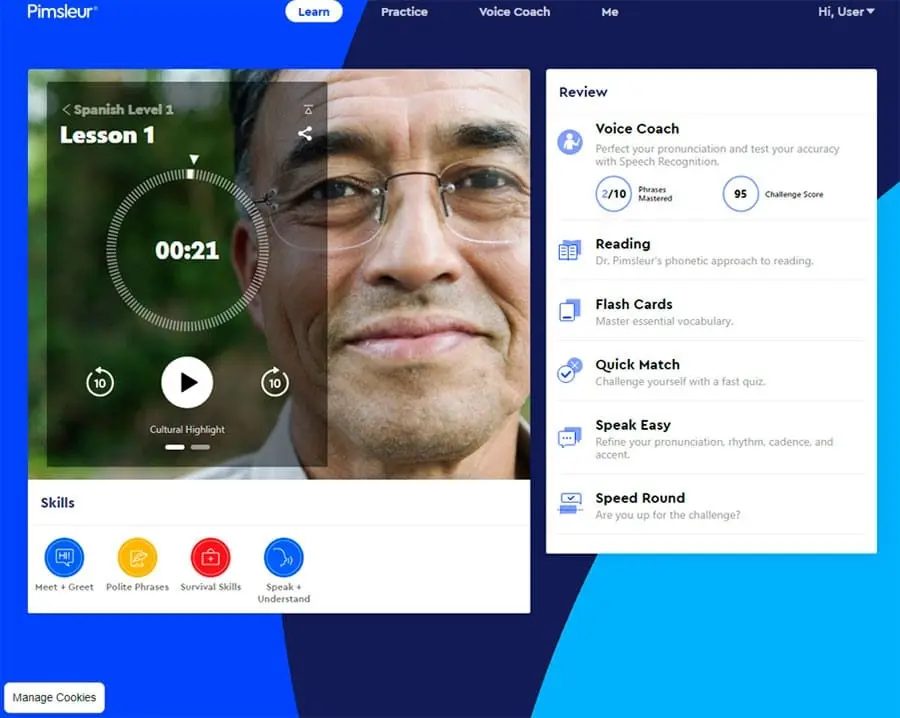
Pimsleur is for people whose study time is a commute. Each lesson is 30 minutes of audio: a narrator prompts you in English, you answer out loud in Spanish, and earlier material keeps coming back so it sticks. It works with CarPlay and Android Auto and needs no screen at all. You’ll get comfortable answering out loud without ever looking at your phone.
Language Transfer does the same job for free, so what are you paying for? Native speakers modeling every phrase and separate Latin American and Castilian courses of 150 lessons each. The cost is $19.95 a month, about $240 a year, and you’ll hear a lot of English, read little Spanish, and grow your vocabulary slowly. The five levels reach roughly intermediate. The app’s Voice Coach, which scores your pronunciation, isn’t in the base plans.
What it does
- 30-minute call-and-response audio lessons
- Latin American and Castilian courses
- CarPlay, Android Auto and offline use
Pros
- You answer out loud for most of each lesson
- Works completely hands-free
- Native speakers model every phrase
Cons
- About $240 a year
- Lots of English narration and little reading
- Vocabulary grows slowly

Rosetta Stone
Immersion without English
#9 3.0/5
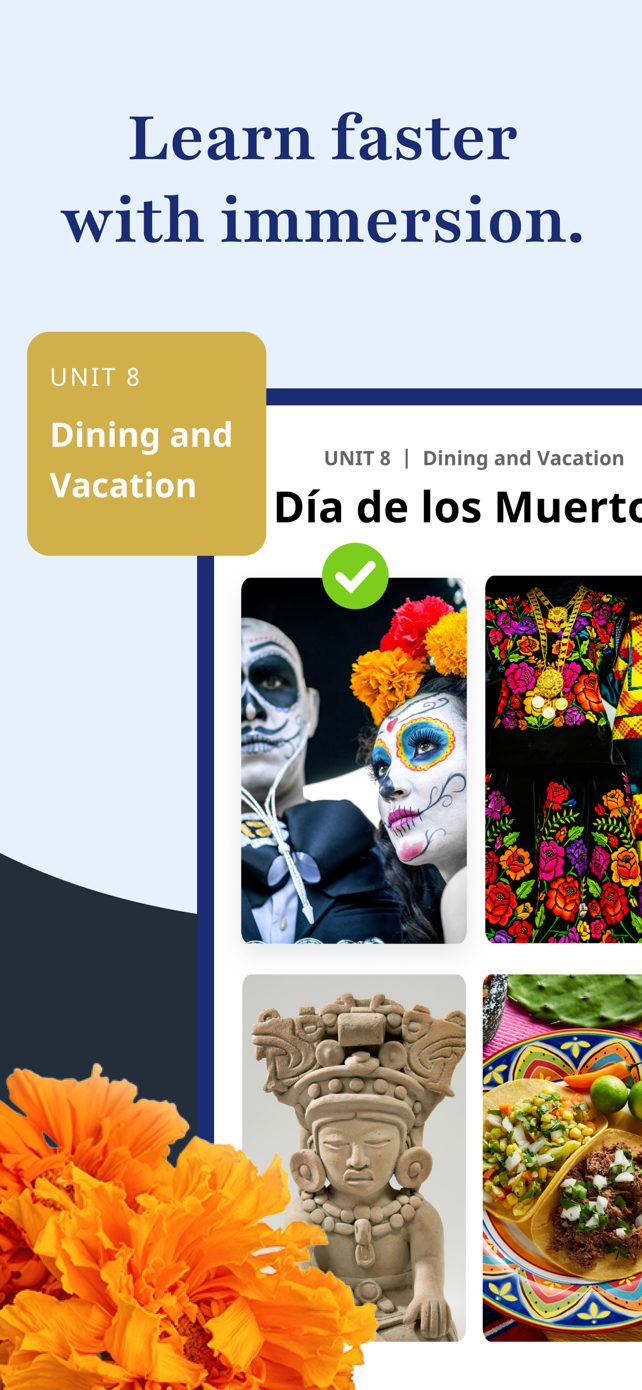
Rosetta Stone teaches without English: you match Spanish words and sentences to pictures and work out the rules yourself. Its TruAccent speech recognition is decent, you can choose Latin American or Spain Spanish, and the current Sapphire subscription ($159 a year) includes all 25 of its languages.
That method is the problem for most adults. Guessing the meaning of a verb ending from a picture takes longer than being told, so progress is slow. If you learn well by figuring things out, it can suit you. Everyone else gets more from Babbel or Busuu for less.
What it does
- Picture-based lessons entirely in Spanish
- TruAccent pronunciation feedback
- Latin American or Spain Spanish
Pros
- Every language included in one subscription
- Good pronunciation feedback
Cons
- No grammar explanations in English
- Slow progress for adults who want rules spelled out
Dreaming Spanish
Understanding native speakers
#10 3.0/5
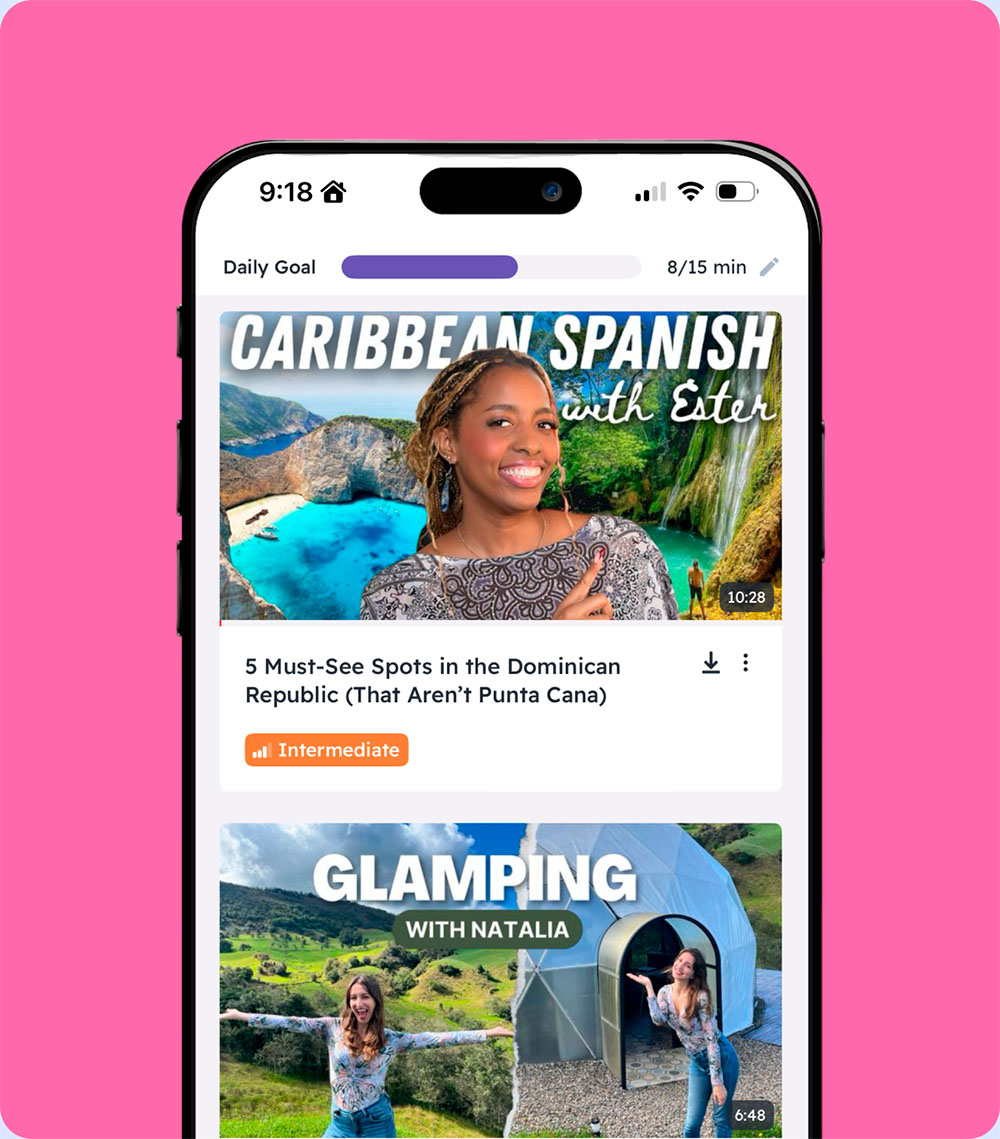
Dreaming Spanish is the opposite of everything above. There are no lessons, no grammar and no exercises: just thousands of videos entirely in Spanish, from a beginner level where the guide draws pictures and speaks slowly to advanced videos at full speed. You track your hours, and its roadmap sets the top level at about 1,500 hours of watching. The guides come from Spain and across Latin America, and you can filter by country.
For learners stuck at intermediate who can read Spanish but can’t follow it spoken, nothing here works better. Its method also says to hold off speaking for hundreds of hours, which is a dealbreaker if you want to talk soon. A heritage learner who reviewed it called that delay “very demotivating,” since she was learning to talk with her family.
Lots of videos are free, on the site and on YouTube. Premium is $7.99 a month on the website ($9.99 in the App Store) for more than 7,300 extra videos and offline downloads. There’s no yearly plan.
What it does
- Videos entirely in Spanish, sorted by difficulty
- Hour tracking and a level roadmap
- Filter by guide and country
- Offline downloads on Premium
Pros
- The best way here to learn to understand fast, real Spanish
- Large free library
- Interesting videos that don't feel like homework
Cons
- No speaking practice, and the method says to wait
- No grammar teaching at all
- Slow start for complete beginners
- Choose if:
- You know the basics but can't follow Spanish at normal speed
Also considered
- Preply works like italki, booking one-on-one lessons with Spanish tutors, with thousands to choose from. Its lessons are usually 50 minutes, so a single lesson costs more up front; pick whichever has a tutor you like.
- LingQ builds lessons from Spanish podcasts, books and videos you import, with transcripts and flashcards for new words. It’s built for intermediate learners who want to read and listen to real content, and it’s too much for a beginner.
Latin American or Spain Spanish?
Most learners in the Americas want Latin American Spanish, and most apps let you choose. Duolingo teaches Latin American Spanish. Babbel, Memrise, Rosetta Stone and Pimsleur offer separate Spain and Latin American (Babbel and Memrise say Mexican) versions. Busuu’s main course leans toward Spain, with a separate Latin American course. With italki you just pick a tutor from the country you care about, and Dreaming Spanish lets you filter by the guide’s country.
Don’t overthink it. The differences are mostly pronunciation (the “th” sound in much of Spain), a handful of everyday words and the vosotros form Spain uses for “you all.” Speakers from either side understand each other fine.
What a year costs
| App | A year of practice (November 2026) |
|---|---|
| Language Transfer | Free |
| Duolingo | Free, or $12.99 a month for Super |
| Dreaming Spanish | Free videos, or about $96 for Premium |
| Memrise | $61.99 for Pro |
| Busuu | $72.99 for Premium |
| Speak | $83.99 for Premium |
| Babbel | $107.40 on the web |
| Rosetta Stone | $159 |
| Pimsleur | About $240 ($19.95 a month) |
| italki | About $520 for an hour a week at $10 an hour |
Scores
1–5 per criterion · select a score for its reasoning and any sources
| # | Product | Overall | Gets you speaking , counts double | Understanding spoken Spanish | Teaches a beginner step by step | Room to grow past beginner | Keeps you practicing | Cost for a year of practice |
|---|---|---|---|---|---|---|---|---|
| 1 | Speak | 3.7 | 5 | 2 | 4 | 3 | 3 | 4 |
| 2 | italki | 3.6 | 5 | 4 | 2 | 5 | 3 | 1 |
| 3 | Language Transfer | 3.4 | 4 | 1 | 5 | 2 | 3 | 5 |
| 4 | Babbel | 3.4 | 3 | 3 | 5 | 4 | 3 | 3 |
| 5 | Busuu | 3.4 | 3 | 3 | 4 | 4 | 3 | 4 |
| 6 | Duolingo | 3.4 | 2 | 3 | 3 | 4 | 5 | 5 |
| 7 | Memrise | 3.3 | 3 | 4 | 3 | 3 | 3 | 4 |
| 8 | Pimsleur | 3.0 | 4 | 2 | 3 | 3 | 3 | 2 |
| 9 | Rosetta Stone | 3.0 | 3 | 3 | 3 | 3 | 3 | 3 |
| 10 | Dreaming Spanish | 3.0 | 1 | 5 | 1 | 5 | 4 | 4 |
Equal displayed overall scores are ordered by the earlier criteria; a known score comes before an unknown score. Identical scores use alphabetical order.
×2 = counts double in the overall score, ×½ = counts half.
How each criterion is scored
Gets you speaking
Counts double in the overall score: Most learners want to hold a conversation, and speaking is the skill course apps most often leave untrained.
How much the app has you say Spanish out loud, building your own sentences rather than only repeating, and how useful the feedback on what you said is (from a person, an AI tutor or pronunciation scoring). Judged from how the lessons work, the plan that supplies each speaking feature, and what reviewers and learners agree on about whether it gets them talking.
- 5 Most of the time is spent speaking, building your own sentences in conversation or recall drills, with feedback from a person or an AI tutor
- 4 You answer out loud most of the time and build your own sentences, but get little feedback on what you said
- 3 Regular speaking exercises or short AI or community exchanges, but most lesson time is tapping, reading or listening
- 2 Occasional repeat-after-me or tap-to-speak exercises with little useful feedback
- 1 No speaking practice, by design or in practice
Understanding spoken Spanish
How much Spanish you hear from native speakers at a natural or gradually rising speed, in varied voices and accents, so you can follow real people rather than only the app's slow example sentences. Judged from what the lessons and media contain and how much of the audio is Spanish rather than English explanation.
- 5 Hours of Spanish-only listening at every level, from slow and visual to full native speed, in many accents
- 4 Plenty of native speakers in varied, unscripted or real-world clips or conversations
- 3 Regular native-speaker dialogues or stories, mostly scripted and slower than real speech
- 2 Short, scripted sentences and dialogues, often slow or synthetic
- 1 Mostly English talk or isolated words; little Spanish from native speakers
Teaches a beginner step by step
How well the product on its own takes a beginner from nothing to building sentences: a sequence that introduces one thing at a time, and explanations of how Spanish works (verb endings, gender, word order) that let you make sentences you haven't been taught. Judged from how lessons are built and what reviewers and learners say about understanding the why.
- 5 A carefully sequenced course that explains each new pattern clearly in English as you meet it
- 4 A sequenced course with brief explanations for most new patterns
- 3 A sequenced course, but explanations are thin, absent or kept apart from the lessons
- 2 Little built-in sequence or explanation; the learner or a teacher supplies it, and results vary
- 1 Teaches no structure, by design
Room to grow past beginner
How far the material takes a learner who keeps going: how much content there is beyond the basics, and the level a committed learner can reach with it (on the CEFR scale where A2 is basic everyday Spanish and B2 is comfortable conversation on most topics). Judged from published course levels and size and from what experienced learners say about where it stops helping.
- 5 Material for every level, including advanced, that a learner can use for years
- 4 A structured course claimed to B2 or C1 with substantial content at each level
- 3 Up to roughly B1, or a longer course that reviewers say stops helping around intermediate
- 2 Beginner to roughly A2, with little to do after that
- 1 A few hours of beginner material
Keeps you practicing
How well the app gets you to practice regularly for months: how easy it is to fit a session into your day, whether the lessons or content are enjoyable rather than a chore, and streaks, goals or progress tracking that keep you coming back. Judged from how sessions work and what reviewers and long-time learners agree on.
- 5 Built around daily habit, and widely credited with keeping people practicing for months or years
- 4 Enjoyable or easy to keep up, with tracking that rewards regular practice
- 3 Easy to fit in and fine to use, with mixed views on whether it holds interest
- 2 Workable, but slow, repetitive or demanding enough that many drop it
- 1 Learners widely describe it as tedious or hard to keep up
Cost for a year of practice
What a learner pays for a year of regular practice in the form most people use: the free tier when it holds the whole course, otherwise the usual yearly or twelve monthly payments in US dollars, or for a pay-per-lesson service, about one hour of lessons a week. A generous free tier that a learner can use for months counts in the product's favor.
- 5 The whole course is free
- 4 Under about $100 a year, or a large free tier with a paid upgrade
- 3 About $100 to $160 a year
- 2 About $160 to $300 a year
- 1 Several hundred dollars a year or more for regular practice
Language Transfer, Babbel, Busuu and Duolingo end up level overall, for different reasons. Language Transfer makes you speak more and costs nothing, but you’ll hear little real Spanish. Babbel explains more. Busuu costs less and has more levels. Duolingo wins on habit and price and loses on speaking.
How to choose
- You want to talk as soon as possible: Speak, and add an italki tutor when you can afford it.
- You won’t pay anything: Language Transfer for structure, Duolingo for a daily streak, then Dreaming Spanish’s free videos once you know the basics.
- You want grammar explained like a class: Babbel, or Busuu if you’d rather pay less and get feedback from real people.
- You learn in the car or on walks: Language Transfer for free, or Pimsleur if you want native speakers on every phrase.
- You’re intermediate and native speakers lose you: Dreaming Spanish for listening, and a tutor on italki for conversation.
The verdict
If you remember one thing, make it this: you get good at what you practice. Tap word tiles for a year and you’ll be great at tapping word tiles. That’s why Speak is the pick: it spends your time on the thing you came for, saying Spanish out loud and getting corrected, for less than $90 a year. Its weak spot is listening, and that’s the second thing to plan for. Once you can get through a basic conversation, add Dreaming Spanish to train your ear, because understanding fast speech is what stops most people in real conversations.
On a budget of zero, Language Transfer plus Duolingo plus Dreaming Spanish’s free videos is a surprisingly complete setup. If you’d rather follow a course that explains everything, Babbel is still the one to pay for, and Busuu is the cheaper alternative. And if you can afford an hour a week with a tutor on italki, do it; no app replaces a real person waiting for your answer.